Top Warning Signs of Testicular Cancer in Young Men
A young guy can notice something strange in the shower on Monday and still convince himself by Friday that it is nothing. That delay is common, but it can be costly. Testicular cancer is most often found among males ages 20 to 44, which means college students, new dads, athletes, tradesmen, office workers, and military recruits all sit inside the real risk window.
The hard part is not always pain. Many early changes feel small, private, or easy to explain away. A lump, a heavier feeling, groin pain, or scrotal swelling may not wreck your day, but those changes deserve attention. For U.S. readers who follow trusted health updates and want plain guidance, the rule is simple: do not wait for a symptom to become dramatic before you act.
Testicular Cancer Warning Signs Young Men Should Not Ignore
The first signal is often quiet. It may not feel like an emergency, and that is exactly why young men miss it. American Cancer Society notes that a lump or swelling in the testicle is the most common symptom, while Mayo Clinic also lists heaviness, lower belly ache, scrotal swelling, pain, breast tenderness, and back pain among possible signs.
A Testicular Lump Can Be Painless and Still Matter
A testicular lump does not need to hurt to deserve a doctor’s visit. That point surprises a lot of young men because most people connect danger with pain. Bodies do not always work that way. A small firm spot, a pea-like bump, or a change in the shape of one testicle can be enough reason to call a clinician.
The mistake is comparing it to soreness after the gym or a minor bump from sports. A sore muscle tends to improve. A new mass tends to stay, grow, or keep feeling different. A young man in Austin who plays weekend soccer may blame every ache on contact, but a lump that remains after rest is not a sports story anymore.
Scrotal Swelling Can Look Like a Minor Injury
Scrotal swelling can feel embarrassing, so men often manage it in silence. They switch underwear, take an anti-inflammatory, or tell themselves they slept wrong. That may feel practical, but it also creates a gap where fear gets bigger and the problem stays unchecked.
Swelling has many possible causes, and not all are cancer. Infection, fluid buildup, injury, and other conditions can change the scrotum too. Still, Mayo Clinic advises medical evaluation for new lumps, swelling, or symptoms in this area because guessing from home cannot separate harmless from serious.
Pain, Pressure, and Heaviness Can Be Early Clues
Pain is not the main character here. Pressure is. A man may feel a dull drag in the scrotum or a low ache in the belly and never connect it to the testicles. That disconnect matters because the nerves and tissues in the groin can make symptoms feel like they come from somewhere else.
Groin Pain Can Send the Wrong Message
Groin pain often gets blamed on lifting, running, sex, or sitting too long. Sometimes that blame is fair. The problem begins when the ache keeps returning, sits mostly on one side, or comes with a testicle that feels different than it did last month.
A dull ache in the lower belly or groin is listed among possible symptoms by Mayo Clinic. That does not mean every ache is cancer. It means a persistent ache deserves a real exam, not another week of internet searching at midnight.
A Heavy Feeling Can Be Easier to Miss Than Pain
A heavy scrotum can feel too vague to explain. Many men describe it as pulling, dragging, pressure, or fullness. It may not stop work, school, or workouts, so it gets pushed into the background.
That is the trap. A warning sign does not have to interrupt your life to count. If one side feels heavier, larger, firmer, or strange compared with the other, write down when you noticed it and book an appointment. Clear notes help you avoid the classic exam-room problem: forgetting half of what you felt once you feel nervous.
Body Changes Beyond the Testicle Can Still Point Back There
Some signs feel disconnected from the testicles, which makes them easier to dismiss. Breast tenderness, back pain, belly pain, cough, or shortness of breath can come from many causes. Yet American Cancer Society notes that symptoms can appear when disease affects lymph nodes or other areas.
Breast Tenderness in Young Men Deserves Respect
Breast tenderness can feel awkward to mention, especially for young men. Some ignore it because they assume it comes from workouts, weight changes, supplements, or hormone swings. Those causes can happen, but they are not the only possible explanation.
Mayo Clinic lists enlargement or tenderness of breast tissue as a possible symptom. The counterintuitive part is that a chest-area change can sometimes point to a problem that started lower in the body. That is not a reason to panic. It is a reason to stop editing symptoms before you talk to a doctor.
Back Pain Can Be More Than Bad Posture
Back pain is common in young men who lift, drive, sit, or work physical jobs. Most cases are not cancer. Still, back pain that appears with a testicular lump, scrotal swelling, weight changes, or ongoing fatigue deserves a closer look.
American Cancer Society notes that low back pain can happen when cancer spreads to lymph nodes behind the belly. That is a later concern, not the first assumption. The smarter move is to catch the earlier signs before the story gets that far.
What Young Men Should Do When Something Feels Off
The most useful response is not panic. It is speed. Young men often wait because they fear the exam, the diagnosis, the cost, or the conversation. Waiting rarely makes any of those easier. It only gives uncertainty more room to grow.
Check After a Warm Shower and Know Your Baseline
A monthly self-check after a warm shower can help you learn what normal feels like for you. The goal is not to diagnose yourself. The goal is to notice a change early enough that a clinician can evaluate it.
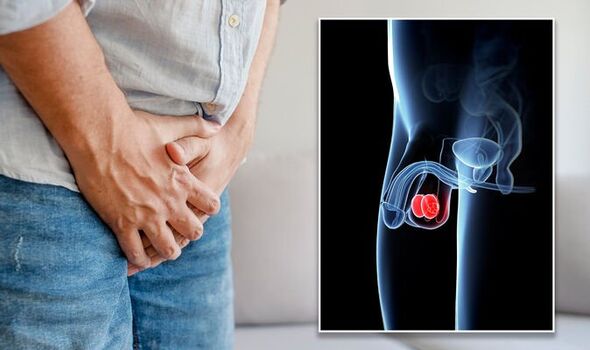
Use both hands and feel each testicle gently. Look for a new testicular lump, size change, firmness, or uneven swelling that was not there before. One testicle may naturally hang lower, and slight differences can be normal. New change is the issue.
Call a Doctor Without Waiting for Proof
A young man does not need proof before calling a doctor. Proof comes from an exam, ultrasound, and medical testing when needed. NCI notes that treatment choices depend on factors such as stage, tumor type, tumor size, and certain blood marker levels, which shows why proper evaluation matters.
The best sentence you can say is plain: “I found a change in one testicle, and I need it checked.” That is enough. Testicular cancer is often treatable, especially when found early, but early only helps the man who speaks up in time. Book the appointment, say the uncomfortable words, and let trained hands take over.
Frequently Asked Questions
What are the first signs of a testicular lump in young men?
A new firm spot, swelling, or shape change in one testicle can be the first clue. Pain may be absent. Any lump that does not clearly go away should be checked by a doctor, even when it feels small.
Can scrotal swelling happen without pain?
Yes. Scrotal swelling can appear with little or no pain. It may come from several causes, including infection, fluid buildup, injury, or a tumor. A medical exam is the right next step because symptoms alone cannot confirm the cause.
Is groin pain always linked to a serious condition?
No. Groin pain often comes from muscle strain, sports, lifting, or minor injury. Persistent pain, one-sided discomfort, or pain with swelling, heaviness, or a lump deserves medical attention instead of guesswork.
How often should young men check their testicles?
A monthly check is a practical habit for many young men. Checking after a warm shower makes it easier to feel changes. The main goal is knowing your normal baseline, so new lumps or swelling stand out sooner.
Can lower back pain be related to testicle problems?
Yes, in some cases. Back pain has many common causes, but pain that appears with a testicular change, swelling, or groin discomfort should be discussed with a clinician. The pattern matters more than one symptom alone.
Should I see a doctor if the lump does not hurt?
Yes. A painless lump still needs evaluation. Pain is not required for a problem to be serious. Calling early often leads to clearer answers, faster testing, and less fear than waiting for symptoms to become worse.
What kind of doctor checks testicular symptoms?
A primary care doctor can start the exam and order initial testing. Many men are then referred to a urologist, a specialist who handles urinary and male reproductive conditions. Urgent symptoms may need same-day care.
Can young men in the USA get treated successfully?
Yes. Many cases respond well to proper treatment, especially when found early. Treatment may include surgery, surveillance, chemotherapy, or radiation depending on the exact diagnosis and stage. Fast evaluation gives doctors better options.